Delving into the frozen terror that lies beneath the floor, the very best horror film iceberg is a cinematic phenomenon that weaves a posh net of suspense, concern, and unease. At its core, it is a masterclass in constructing stress, as a seemingly innocuous setting steadily provides strategy to a monstrous presence, leaving audiences gasping for breath.
The attract of the iceberg lies in its sheer unpredictability, very similar to the unforgiving forces of nature that form them. These imposing constructions, born from the unforgiving grip of glaciers, can crush a ship in mere seconds, leaving survivors to face the crushing realization of their very own insignificance.
Horror films typically use icebergs to discover bigger themes, such because the affect of the weather on human psychology or the concern of the unknown.: Finest Horror Film Iceberg
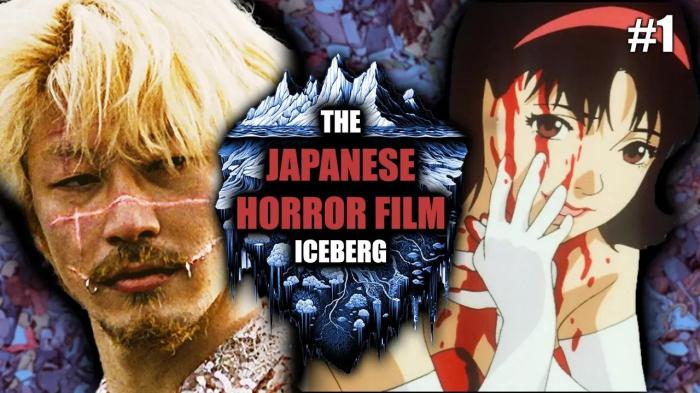
In horror cinema, icebergs typically function a potent metaphor for the unfathomable, unseen forces that threaten human existence. By leveraging the pure world’s uncooked energy, filmmakers can faucet into primal fears and nervousness, crafting a story that explores the intricate dance between humanity and the weather.
One notable instance of this theme may be seen in “The Factor” (1982), directed by John Carpenter. The movie’s icy setting, coupled with the shape-shifting alien risk, represents the final word instance of an unseen drive that steadily reveals itself over time.
On the floor, the very best horror film iceberg seems to be an enormous, darkish ocean, with just a few iconic titles like ‘The Shining’ and ‘The Exorcist’ seen above the waterline. However once you begin diving deeper, you will uncover a plethora of lesser-known gems, very similar to the eclectic filmography of Stacey Farber, which may be discovered here , together with her standout position within the TV collection ‘Falling Skies’.
As you proceed to discover the depths of this cinematic treasure chest, you will uncover much more hidden horror classics that problem and unsettle.
The Overwhelming Energy of Nature, Finest horror film iceberg
As a metaphor for the unfathomable energy of nature, icebergs have been utilized in varied horror films to represent the fragility of human existence. The sheer scale and unyielding drive of an iceberg can signify the unrelenting energy of pure disasters, reminiscent of tsunamis or blizzards, that may ravage human settlements and decimate total communities.
- One such instance is the 1997 movie “The Day After Tomorrow,” directed by Roland Emmerich. The film depicts a worldwide climatic disaster, the place huge storms and tsunamis wreak havoc on human civilization. The movie’s climax, the place icebergs develop into lodged within the skies above New York Metropolis, serves as a graphic illustration of the devastating penalties of local weather change.
- One other occasion may be seen in “The Thaw” (2009), directed by Mark A. Lewis. This science fiction horror movie is ready in a distant Arctic analysis station, the place a gaggle of scientists and their guides face a terrifying ice-based risk. The film’s depiction of an avalanche that engulfs the group serves as a potent reminder of the cruel energy of nature.
Unseen Issues and Threats
The idea of an iceberg will also be used to signify an unseen downside or risk that steadily reveals itself over time, constructing suspense and stress in a horror film. This method leverages the viewers’s pure curiosity and nervousness, holding them engaged and invested within the narrative.
In terms of thrilling horror films, creating an “iceberg impact” is essential – hiding essentially the most scary parts beneath the floor, making viewers shiver with anticipation as they’re led to the surprising climax, identical to the expertly crafted thrill rides at iconic film theaters like Cinedome movie show henderson here the place horror followers flock to expertise the newest terror-fests.
Efficient use of suspense could make any horror film an unforgettable night time out on the films.
One notable instance of this method is the 2013 movie “Oculus,” directed by Mike Flanagan. The film’s central plot revolves round a supernatural mirror that slowly reveals its true nature, threatening the lives of a household and their mates. The mirror’s seemingly innocuous look belies its true malevolent intentions, mirroring the best way an iceberg can conceal its treacherous underbelly.
The most effective horror film iceberg begins with a delicate tip, like a sliver of ice on the floor – an eerie ambiance and a way of impending doom. For followers of horror, a journey down the rabbit gap typically begins with the masterful storytelling of R.L. Stine, take a look at our information to the very best R.L. Stine films and TV exhibits here to get a style of his iconic fashion, which might then lead us again to exploring the complexities of movie genres and the artwork of crafting concern, and finally uncovering essentially the most unsettling horror film experiences.
- One other occasion may be seen in “The Shining” (1980), directed by Stanley Kubrick. The movie’s remoted lodge setting, coupled with its labyrinthine corridors and hidden rooms, serves as a masterclass in constructing stress and suspense. The gradual reveal of the lodge’s darkish secrets and techniques, typically by delicate hints and foreshadowing, mirrors the best way an iceberg can conceal its true risks beneath the floor.
Pressure Between Concern and Rationalization
Lastly, horror films typically grapple with the strain between exploring the concern of the unknown by an iceberg and the necessity to perceive and rationalize this concern. This inside battle can create a way of cognitive dissonance, holding the viewers engaged and invested within the narrative.
One notable instance of this stress may be seen in “The Mist” (2007), directed by Frank Darabont. The movie’s central plot revolves round a gaggle of individuals trapped in a grocery retailer by a mysterious mist, which harbors an unseen risk. Because the group’s members try to make sense of their environment, they start to appreciate that the mist is probably not the one risk they face, highlighting the strain between concern and rationalization.
Remaining Overview

As we bid farewell to the frozen terrors explored inside the very best horror film iceberg, a haunting query lingers: what unspeakable horrors lie in wait beneath the waves? The reply, very similar to the ocean itself, stays shrouded in thriller, inviting us to return to the cinematic realm for extra. And so, the icy grip of suspense holds us captive, as we give up to the attract of the unseen forces that lurk beneath the floor.
Person Queries
Q: What is the significance of utilizing an iceberg as a plot system in horror films?
A: The iceberg serves as a harbinger of impending doom, leveraging the inherent unpredictability of its look and sheer dimension to faucet into the viewers’s deep-seated concern of the unknown.
Q: How do horror films successfully convey the hazard of an iceberg by cinematography and lighting?
A: Cinematographers use strategies like depth-of-field, low-angle photographs, and delicate colour grading to create an aura of foreboding, as if the very presence of the iceberg is suffocating the characters.
Q: Are you able to give examples of horror films that successfully make the most of the iceberg as a metaphor for an insurmountable downside or a monster that can not be defeated?
A: Movies like “The Factor” (1982) and “The Abyss” (1989) cleverly make use of the iceberg as a tangible illustration of the unknowable, an existential risk that defies human understanding.
Q: What is the psychological affect of witnessing an iceberg in a horror film, and the way does it relate to the human psyche’s concern of the unknown?
A: The expertise triggers a primal response, echoing the existential dread we really feel when confronted with uncontrollable forces of nature – our minds grasp for which means, however the reality stays elusive, leaving solely an unsettling sense of vulnerability.
